Your Dream Career in Dance: How to Become a Professional Dancer for Stage, Film, and Television
EducationFeatured
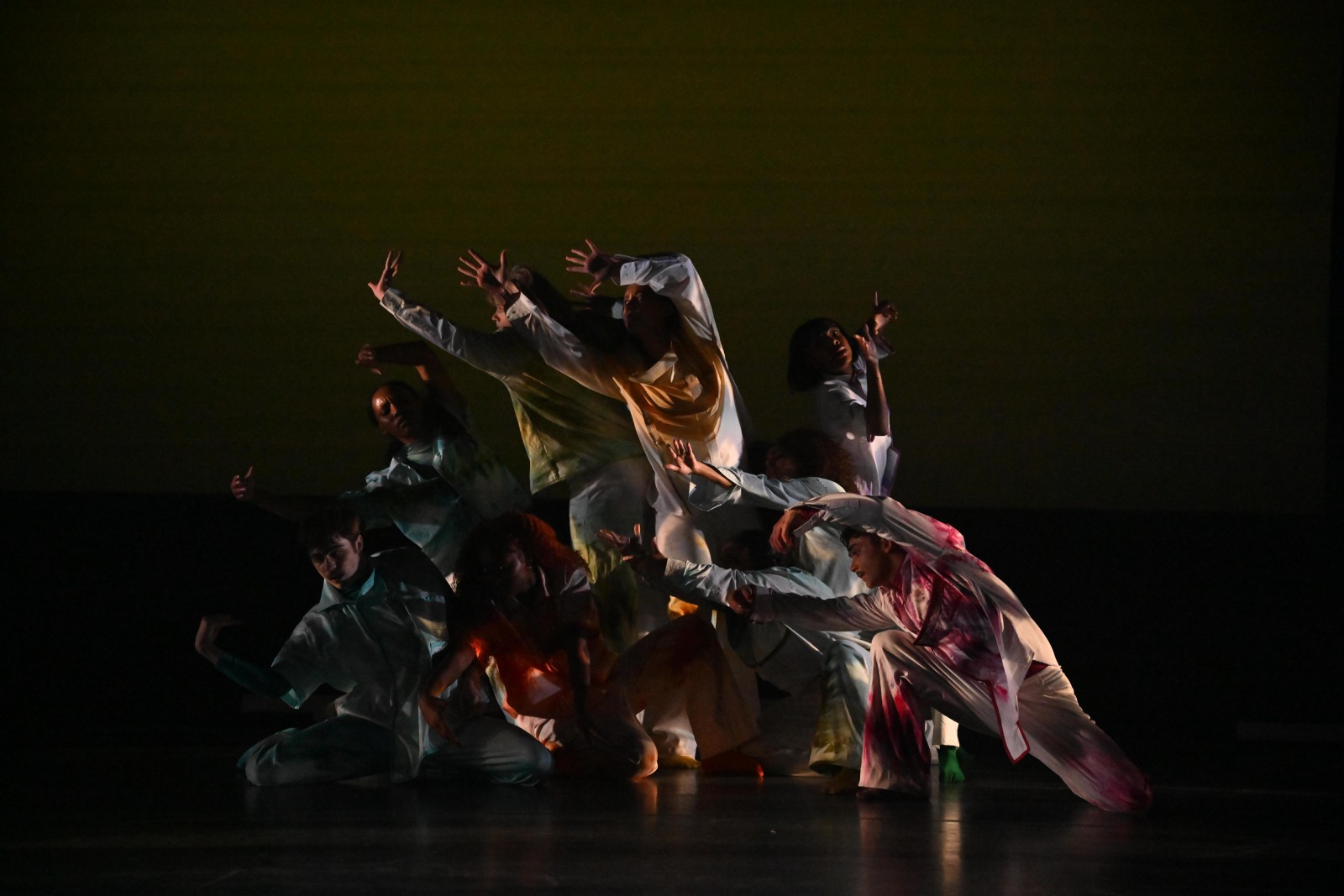
A degree in dance can lead to exciting opportunities on stage and screen—from Broadway and national tours to music videos, television shows, and feature films. Professional dancers must be adaptable, technically strong, and comfortable performing in a variety of settings. A career in dance also requires years of focused training and a commitment to long-term growth.
Whether your passion lies in musicals, contemporary dance, or commercial work, becoming a professional dancer means staying ready for any opportunity—and building the skills to seize it when it comes. If you’re exploring dance as a career, read on to learn more about how to dance professionally.
Becoming a dancer takes more than talent alone. Professional success also depends on how well you prepare for the demands of the industry. From building technique to booking your first job, these steps can help you navigate the path from student to working dancer:
Train in ballet, jazz, modern, and contemporary styles. Expanding into hip-hop, commercial, and musical theatre will make you more competitive for a wide range of dance jobs, especially in multidisciplinary productions.
Specialized programs like AMDA’s Dance Theatre Conservatory or BFA in Dance blend technique, performance experience, and industry preparation. You’ll develop your skills, build a portfolio, and begin performing in front of audiences early in your training.
Professional dancers are often asked to learn choreography with little rehearsal time. Strong memorization, spatial awareness, and musicality are essential, especially for theatre, commercial work, and fast-paced casting environments. Many dancers also study kinesiology or injury prevention to maintain performance longevity.
Every performance; whether on stage, in class, or on camera, builds confidence and adaptability. Seek out opportunities to perform regularly and view each experience as preparation for professional expectations, such as stamina, stage presence, and audience connection.
Dancers need polished headshots, a well-organized résumé, and a professional dance reel to showcase their range. With many auditions now virtual, you’ll also need to be comfortable submitting self-tapes and following casting specs. Learning to present yourself professionally can set you apart before you even walk into the room.
Many dance jobs for film, TV, and musical theatre require acting, singing, and camera awareness. Being able to shift between stage and screen, express emotion, and speak lines makes you more versatile and castable. A diverse skill set can also open future roles in choreography, creative direction, or teaching.
Understanding union affiliations (like SAG-AFTRA or Actors’ Equity), audition etiquette, and how to read a casting breakdown are part of the job. You’ll also need a strong network. AMDA’s campuses in NYC and LA give you access to faculty mentors, showcases, and opportunities in the heart of the industry.
A career in dance involves constant learning and growth. Stay disciplined in your training, open to feedback, and committed to evolving with the field. Confidence and resilience are just as important as talent when it comes to building a sustainable, fulfilling professional dance career.
“In my opinion, the best recipe for success in the dance industry—both on stage and on screen—is only partially dance technique. Dancers today need to not only be able to dance well, but they also need to understand the business side of the industry, how to craft a personal brand and market it to agents and choreographers, and how to tell a compelling and memorable story through the steps.”
—Michelle Fraser, Dance Division Co-Chair, AMDA Los Angeles
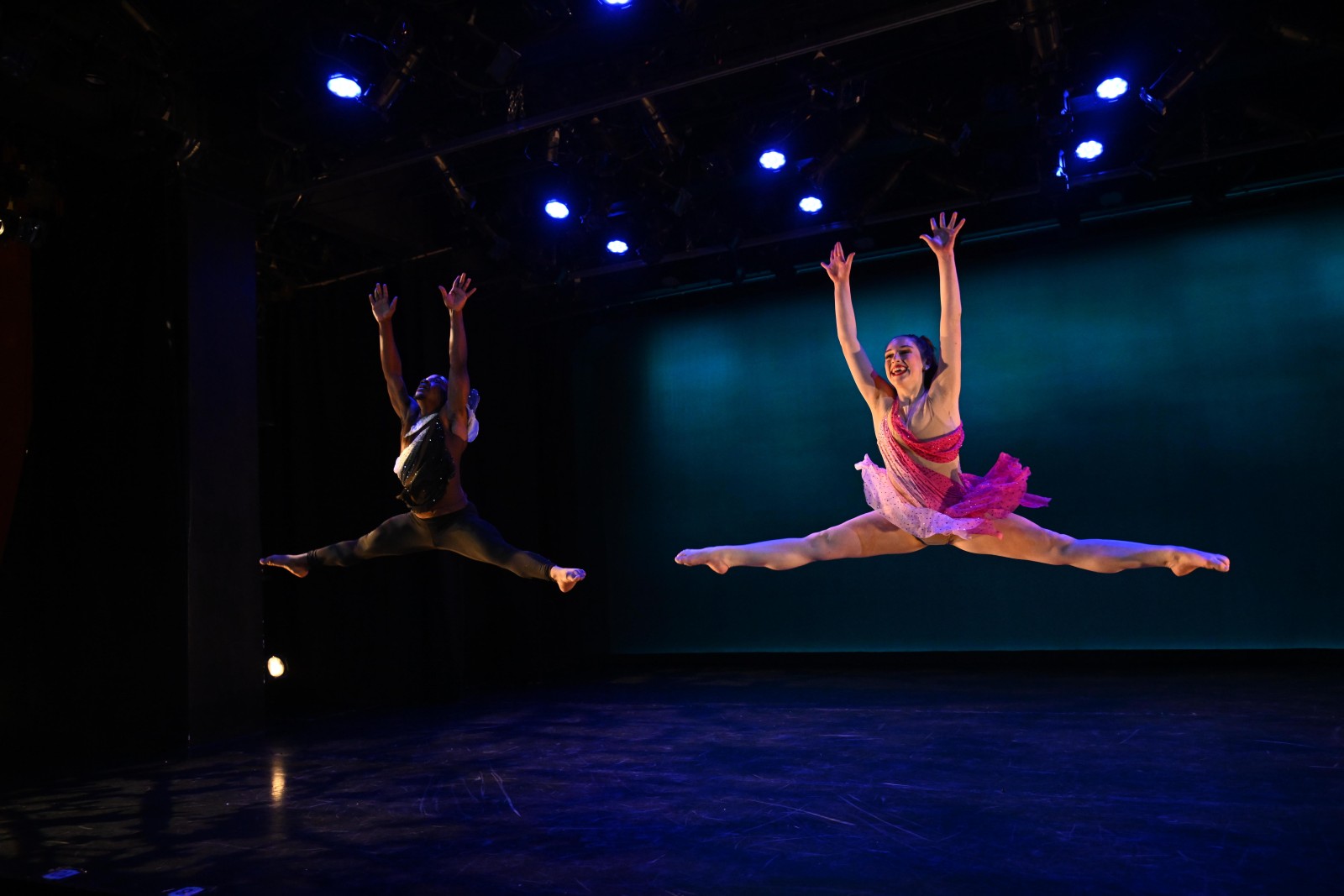
With a dance degree, graduates can pursue a wide range of careers beyond the traditional stage:
Arts administrator or nonprofit leader supporting creative programming
Choreographer for stage, film, or digital media
Creative director or movement consultant in advertising, fashion, or live events
Dance educator in schools, studios, or higher education
Professional dancer for musicals, commercial tours, or concert companies
Stage manager or rehearsal director
According to the U.S. Bureau of Labor Statistics, employment of dancers and choreographers is projected to grow 6% from 2023 to 2033, faster than the average for all occupations. Each year, approximately 3,400 job openings are expected as new and emerging roles shape the industry.
Some dance majors become movement directors for film, video games, or immersive experiences. Others work in health and wellness as dance therapists, Pilates or yoga instructors, or somatic movement educators, often pursuing certifications in addition to their degree. Dance education is also evolving: Public schools and arts programs increasingly seek instructors with a dance background who can integrate movement into broader curricula.
With the rise of online content, social media choreography, and virtual performance spaces, today’s dancers are also creating new career paths that didn’t exist a decade ago.
With campuses in New York City and Los Angeles, AMDA offers immersive access to two of the world’s top cities for dance jobs.
In NYC, students are surrounded by Broadway, off-Broadway, and renowned dance companies, with opportunities in stage performance, choreography, and education.
In LA, the focus expands to include dance for film, television, commercial shoots, music videos, and theme park entertainment. Dancers here frequently cross into screen, voiceover, and creative production.
Both campuses allow students to gain practical experience, attend masterclasses, and build networks essential to their long-term careers in dance.
AMDA’s conservatory-style programs emphasize both artistry and employability. Whether pursuing a Bachelor of Fine Arts, Associate of Occupational Studies, or professional Certificate in dance, your education combines technique, live performance, audition preparation, and creative development.
You’ll work closely with faculty who are active in dance for performance, stage, and screen, guiding you through the real-world demands of the industry. With ongoing support from Alumni Services, graduates continue to access audition resources, job opportunities, and professional connections long after graduation.
Your future as a professional dancer starts with focused training, industry exposure, and a supportive creative environment. AMDA offers all three.
From the spotlight to the studio, from choreography to creative direction, every path in dance begins with preparation and the right environment to develop your voice as an artist. Explore AMDA’s Dance Programs in New York City or Los Angeles, attend an upcoming audition, or start your application today!