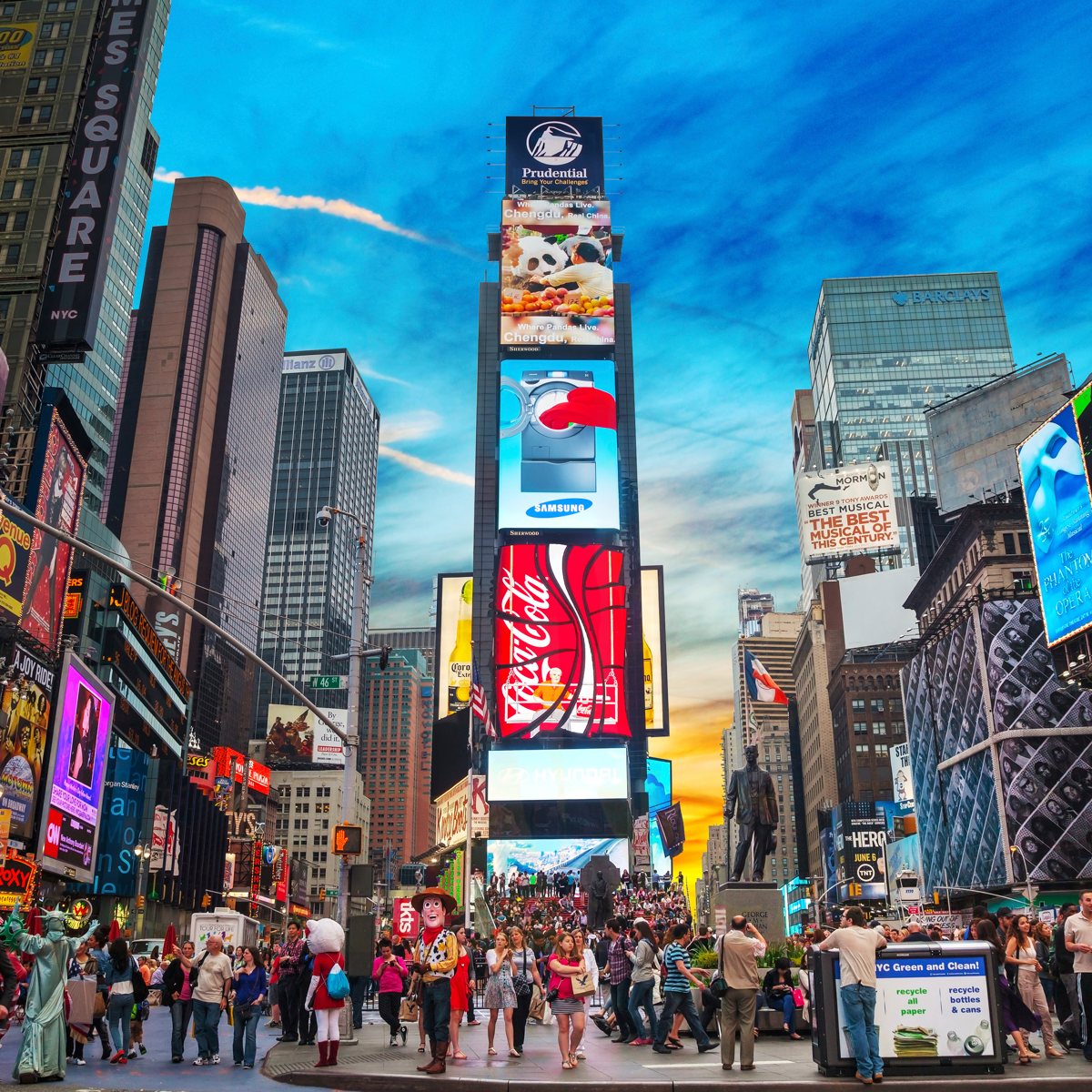

New York City Campus
211 West 61st Street
New York, NY 10023
Phone (212) 787-5300
Toll Free (800) 367-7908
Fax (212) 247-0488

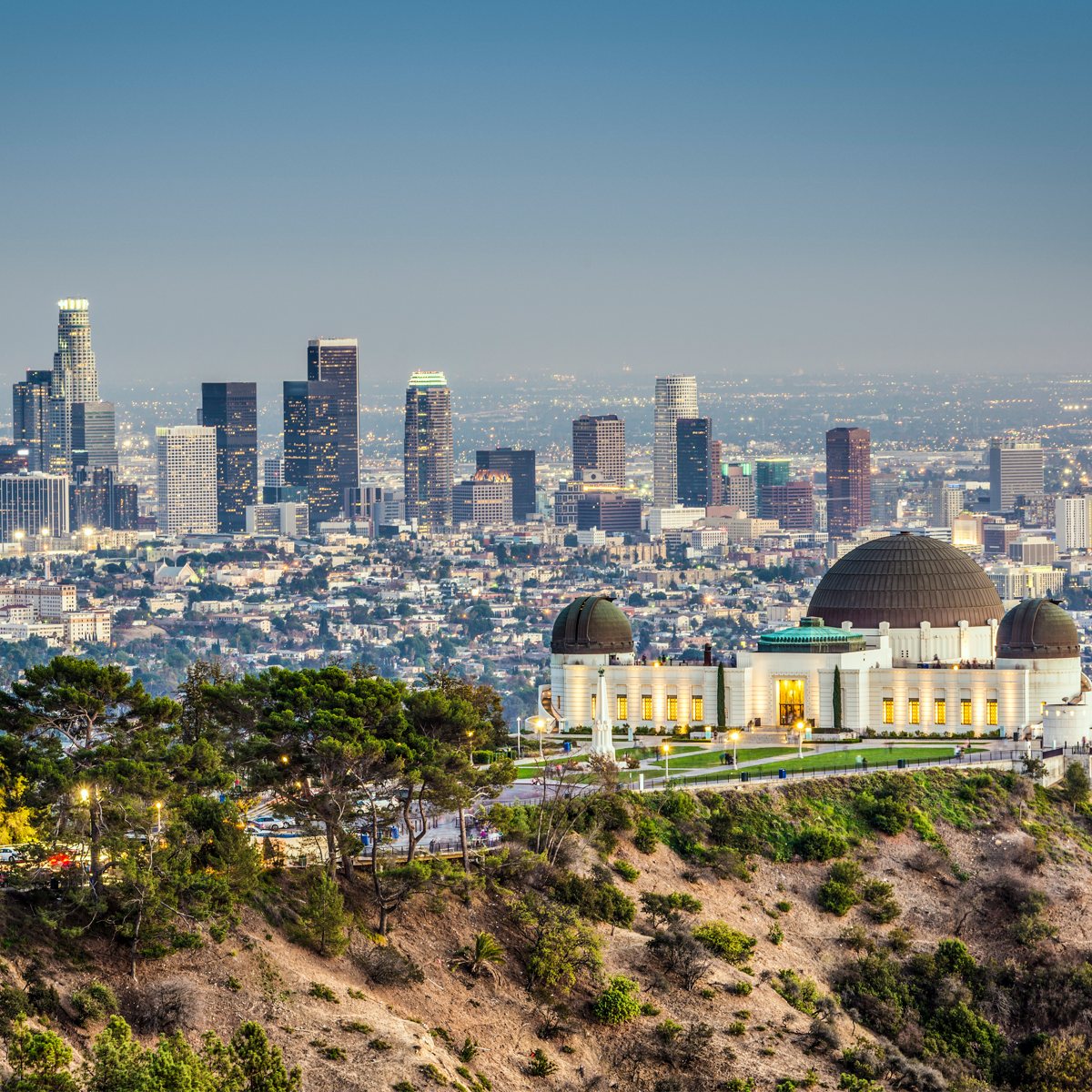
Los Angeles Campus
6305 Yucca Street
Los Angeles, CA 90028
Phone (323) 469-3300
Toll Free (866) 374-5300
Fax (323) 469-5246

info@AMDA.edu

Course Descriptions
FIRST SEMESTER
Acting I: Techniques and Resources
The student focuses on the techniques employed to present aspects of human nature through believable characterization. A variety of acting techniques is examined. In addition, the student explores sensory work, acting and trust exercises, and other meth ods of freeing the imagination. These ideas are utilized in a series of individually coached acting etudes. 5 hours weekly.
Acting I: Scene Study
Working in conjunction with the Techniques and Resources class, this course employs an imaginative and fundamental approach to scene study and performance. Using out standing scenes from contemporary American realism, the student is taught text exploration. Through rehearsal and in-class coaching, students are shown techniques to make compelling acting choices. 5 hours weekly.
Voice Production and Speech I
The components of the voice are defined and practical exercises are utilized with the goal of developing healthy, natural, and career sustaining vocal technique. Among the aspects covered are components of voice, relaxation, breath, production of tone, range of voice, elongation of breath and tone, and the seven long vowels. 3 hours weekly.
Dance and Movement for the Actor I
The focus is on the development of physical awareness, flexibility, and precision as it relates to movement for the stage. Exercises will include work on spatial relationships, posture, rhythmic accuracy, and stamina. 3 hours weekly.
Stage Combat I
Basic unarmed stage combat techniques are developed. Stamina-building exercises are central to this course which emphasizes physical conditioning. 3 hours weekly.
Improvisation I
This course is designed to enhance and strengthen the student's range, imagination, and physical choices. The student is taught to interact spontaneously with fellow actors and to establish the foundations for a heightened sense of physical freedom. 3 hours weekly.
Masterpieces of the Stage I
Dramatic texts from the Greek through medieval and the Elizabethan through the 18th century world of Moliere and the Restoration are explored. Special emphasis is placed on the works of Shakespeare. Numerous plays are read, discussed, and analyzed; the cultural framework of each period is examined. Film and video clips display performance traditions as well as theatre architecture, make-up, and costuming. 2 hours weekly.
Elective I
Students select one elective each semester. 2 hours weekly. Electives may include:
  • Shakespeare
  • Singing Technique
  • Jazz Dance

Performing Arts Laboratory
Each semester the student is required to record their performing arts observations and rehearsals. 6 hours weekly.

Survey of Film (Los Angeles Campus)
A comprehensive study of the history, progression and styles of movies from early films through the present. A wide range of motion pictures are shown in their entirety, displaying the many aspects of the industry through the works of the most notable actors, directors, writers and cinematographers. 

SECOND SEMESTER
Acting II: Techniques and Resources
Building on the work of the first semester, this course continues to examine the craft of acting by emphasizing physical characterization. The student applies techniques that allow him/her to inhabit the role within the given circumstances of the play. It is designed to empower the student to make bold, intelligent, creative, and well researched physical choices. Exercises include vocal characterization, physical improvisation, and acting etudes. 5 hours weekly.
Acting II: Scene Study
Working with the Techniques and Resources class, this course demonstrates techniques to sharpen skills in text analysis as they apply to developing a character. Scenes are chosen from earlier American periods, espe cially the 30's, 40's, and 50's. Rehearsal and performance of these scenes emphasize research into vernacular and stylistic modes of the best American writing during this time. 5 hours weekly.
Voice Production and Speech II
The 13 vowel scale, diphthongs, and triphthongs are introduced. Vocal exercises with simple and combined consonants are utilized. The student is introduced to the use of rhythm in verse. Work on breath, placement, and production of tone continues. 3 hours weekly.
Dance and Movement for the Actor II
Emphasis continues on the development of professional attitudes and conduct as well as taking and responding to direction. The student works for a greater focus of the mind, consciousness of the body, and the ability to move from stillness with greater clarity. Basic dance forms and partnering are introduced. 3 hours weekly.

Acting for Film and Television I
Practical training and experience in acting methods and techniques for film and television are utilized. Scene study and monologue work on camera are included.  The working vocabulary used in the industry is introduced. 3 hours weekly.

Improvisation II
Course work includes further development of kinesthetic and sensory awareness with advanced exercises in concentration and point of focus. The student will be instructed in making strong and intelligent choices with in the context of an ensemble and group. Problem solving, moment-to-moment interaction, and spontaneity are emphasized. 3 hours weekly.
Masterpieces of the Stage II
The reading, analysis, and discussion of numerous pivotal plays from 19th Century Realism and Naturalism to the present trace the development of contemporary Western theatre. The texts are placed within their social and cultural frameworks, and the influence of Ibsen, Chekov, Strindberg, and Stanislavski on the 20th century is emphasized. Museum visits, oral presentations, and film and video clips supplement the readings 2 hours weekly.
Stage Combat II
Central to this course is the study of advanced unarmed and rapier techniques for stage combat. Emphasis is placed on safety, strength, concentration believability of violence, and style with a sword. 3 hours weekly.
Performing Arts Laboratory
Each semester the student is required to record their performing arts observations and rehearsals. 5 hours weekly.

Survey of Film (Los Angeles Campus)
A comprehensive study of the history, progression and styles of movies from early films through the present. A wide range of motion pictures are shown in their entirety, displaying the many aspects of the industry through the works of the most notable actors, directors, writers and cinematographers. 
THIRD SEMESTER
Acting III: Rehearsal Projects
The techniques and resources of the acting craft that were explored in the first year are put into practice. Monologues from modern plays, duet scenes-both modern and Shake spearean, and group scenes in the American realistic genre are rehearsed in such a way as to bring about truthful, exciting moments on stage. 7 hours weekly.
Acting for Film and Television II
Working on camera with monologues and group scenes, students identify and explore beat changes, rhythm, conflict, and dimensionalization of character. In addition to offering continued practical training and experience in acting methods and techniques for film and television, the business aspects of the industry are examined with an emphasis on beginning a career in film, television, and commercial work. 5 hours weekly.
Voice Production and Speech III
Training continues with emphasis placed on consonant work and the connection of breath to sound. This semester culminates in group and individual projects in which poems are explored with various improvisation and freeing exercises designed to allow the student greater freedom of vocal expression. 3 hours weekly.
Improvisation III
This course employs non-verbal scenes, sen sory improvisation exercises, repetition exer cises, verbal improvisation techniques, and scene work with improvisation foundations. The student is taught to play honestly within a visceral environment and to interact spontaneously with the needs and responses of fellow actors. 3 hours weekly.
Dance and Movement for the Actor III
Work continues in developing the strength of the body, precision, and physical awareness. Spatial relationships are examined in a performance-related context. An expanded awareness of proper rehearsal discipline, professional conduct, and positive attitudes at rehearsals and auditions are also emphasized. 3 hours weekly.
Stage Combat III
Advanced techniques with rapier, broadsward, and dagger are introduced. Principles of stage combat are incorporated into scenes from dramatic literature, whereby students are challenges to utilize stage combat technique in acting.3 hours weekly.
Heroic Acting
Merging the techniques of acting, movement, and voice and speech, the student performs scenes from such classic writers as Shakespeare, Ibsen, and Brecht, sharply contrasting with previous scene work in naturalism. Classic texts are analyzed and the cultural milieus investigated, enriching the student's creativity, imagination, and aesthetic judgement. 2.5 hours weekly.
Elective III
Students select one elective each semester. 2 hours weekly. Electives may include:
  • Singing Technique Class
  • Jazz Dance

Performing Arts Laboratory
Each semester the student is required to record their performing arts observations and rehearsals. 4 hours weekly.

Survey of Film (Los Angeles Campus)
A comprehensive study of the history, progression and styles of movies from early films through the present. A wide range of motion pictures are shown in their entirety, displaying the many aspects of the industry through the works of the most notable actors, directors, writers and cinematographers. 

FOURTH SEMESTER
Performance Project
Under the guidance of a director, the student experiences a professional rehearsal process and participates in a performance project in AMDA's Off-Off-Broadway theatre. 27.5 hours weekly for eight weeks.
Career Preparation Seminars
Discussions are held with an agent and/or casting director about the business aspects of being an actor. Interviews, auditions, pictures and resumes, mailings, and similar professional responsibilities are discussed. 40 hours total.
Audition Workshops
These workshops are designed to prepare the student for professional auditions. The student works with faculty members to develop dramatic material which is specifically chosen to demonstrate his/her skills and talents. The workshops conclude with a mock audition presented for faculty and/or a selected panel. Workshops include:
Monologues for Auditions
Examining a wide range of scripts, the stu dent is guided in choosing appropriate material. A contemporary dramatic monologue and a comedic piece are prepared. Sugges tions for additional suitable material from Shakespeare to the present are also offered. 48 hours total.
Cold Readings for Auditions
Using a wide cross-section of scripts for stage, film, and television, the student practices reading cold for auditioners. Techniques for more effective auditions are suggested, and a series of audition interviews is simulated. 28 hours total.
Auditioning for Film and Television
This workshop puts the student in front of the camera, using actual scripts used to audition actors for roles in film, sitcoms, soaps, and commercials. Techniques for rapid script and character analysis are introduced; the process from submission to screen test is examined; and aspects of dress, appearance, demeanor, and protocol are discussed. 28 hours total.

Performing Arts Laboratory
Each semester the student is required to record their performing arts observations and rehearsals. 4 hours weekly.

Voice-Over (Los Angeles Campus)
This course is an introduction and overview to the use of the voice for animation, commercials, Books on Tape, narrations, Interactive Video Games and many other audio fields which are in such great demand today. Each student is offered critiques as they are recorded using scripts from these varied areas of voice work. A CD of their individual readings may be furnished after the last session

Problems? Contact webmaster@amda.edu • © 1996-2009 IGDC • All Rights Reserved.